





 ₹https://veterinary-hospital.sanchuanimalhospital.com/sanchu/animal-hospital-in-chennai/animal-hospital-in-valasaravakkam/sanchu-animal-hospital-24x7-valasaravakkam-chennai-in-valasaravakkam-chennai--35LalP/articles/that-redness-in-your-dogs-eye-could-be-cherry-eye---246d2ecf-a9c3-48a5-a8f8-018eb584e3d3
Sanchu Animal Hospital 24X7 | Valasaravakkam, Chennai, Valasaravakkam, chennai
Pet Boarding, Pet Store and Hospital in Valasaravakkam, Chennai, Tamil Nadu
No 17, Vaigai Street, Palaniappa Nagar, Valasaravakkam, chennai, tamil nadu - 600087
Request A Call Back
Sanchu Animal Hospital 24X7 | Valasaravakkam, Chennai Social Feeds in Valasaravakkam, chennai
That Redness in Your Dog's Eye Could Be Cherry Eye — Here's What to Do Next in Valasaravakkam, chennai
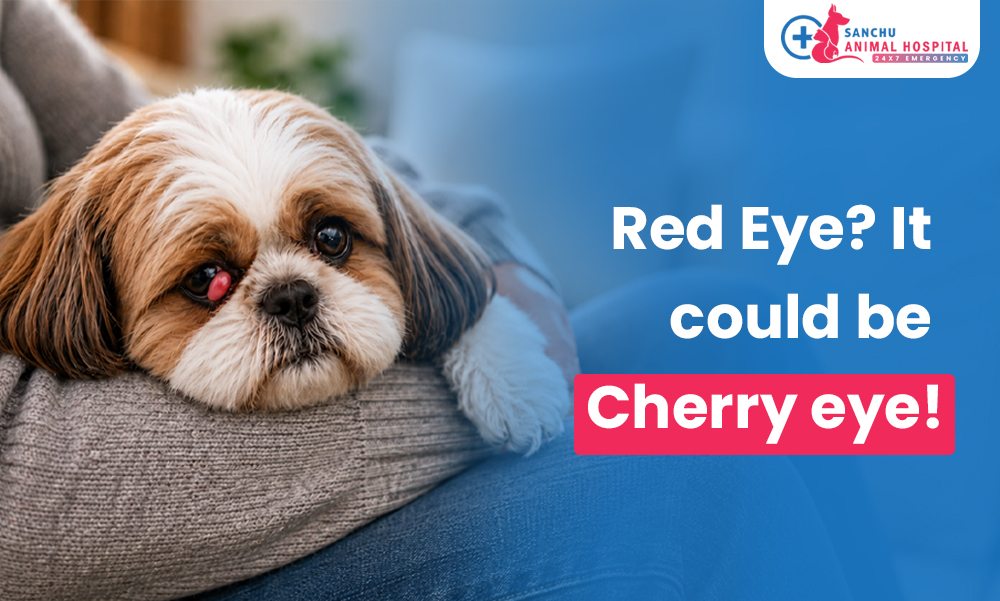
You glance at your dog one morning and spot a small red lump sitting in the corner of their eye.
At first, it might look like nothing more than a bit of irritation, some dust, or maybe an early sign of infection. But when the redness sticks around — when it doesn't fade by the evening — that's when most pet parents start to worry. And rightly so.
Dog eye problems can develop faster than people expect. Some are minor and clear up on their own; others genuinely need a vet's attention. One of the most common conditions pet parents notice is Cherry Eye — a condition that can look frightening but is usually very treatable when caught early.
For pet parents in Valasaravakkam, chennai, knowing what to look for and when to act can make a real difference to how quickly and comfortably your dog recovers. If you've recently noticed redness, swelling, or a pink mass pushing out of the corner of your dog's eye, here's what you actually need to know.
What Exactly Is Cherry Eye?
Dogs have a third eyelid you've probably never paid much attention to — also called the nictitating membrane. It sits in the inner corner of the eye and contains a tear-producing gland that's responsible for a significant chunk of your dog's eye moisture.
When that gland slips out of its normal position, it suddenly becomes very visible — appearing as a red or pink swelling in the corner of the eye. Most people call this Cherry Eye because the prolapsed gland looks a bit like a small cherry sitting where it shouldn't be.
While Cherry Eye isn't usually life-threatening, it's not something to wait out either. Left alone, it can affect your dog's eye health and the long-term tear production they rely on.
Common Signs of Cherry Eye in Dogs
The most obvious sign is the pink or red mass appearing in the inner corner of the eye — that's the giveaway most owners notice first.
Other signs that often come along with it:
Visible dog eye swelling in or around the corner
Eye irritation or discomfort
Increased tearing
Pawing at the face or eyes
Excessive blinking
Mild eye discharge
Dryness or inflammation around the affected area
Some dogs carry on as if nothing's wrong. Others become visibly uncomfortable. Either way, a swollen eye in dogs is worth a proper vet check rather than a wait-and-see.
Why Does Cherry Eye Happen?
The exact cause isn't always pinpointable, but it usually comes down to the connective tissues holding the tear gland in place becoming weaker than they should be.
Certain breeds are far more prone to developing Cherry Eye than others:
Beagles
Bulldogs
Cocker Spaniels
Lhasa Apsos
Shih Tzus
Pugs
Boston Terriers
Genetics play a major role in many of these cases — if the breed is on this list, the risk is simply higher. Cherry Eye can show up in one eye, and over time it sometimes appears in the other one too.
Is Cherry Eye Painful?
Cherry Eye itself isn't always painful, but it usually causes irritation and visible discomfort.
If you leave it untreated, the exposed gland can become inflamed, dry out, or get infected. Over time, that affected gland can reduce overall tear production — which sets your dog up for chronic eye conditions like dry eye syndrome. Some of the symptoms can also overlap with dog eye infection symptoms, which is one more reason why an early evaluation matters even if your dog seems comfortable in themselves.
How Is Cherry Eye Diagnosed?
The diagnosis is usually straightforward.
Your vet will do a careful eye examination to:
Confirm that the gland has prolapsed
Rule out other infections or injuries
Check current tear production
Assess overall eye health
In most cases, the condition can be identified in a routine clinical exam without needing extensive testing.
Can Cherry Eye Be Treated Without Surgery?
This is the question almost every pet parent asks first.
In mild or very early cases, your vet may try:
Anti-inflammatory eye medication
Lubricating eye drops
Gentle management of inflammation to give the gland a chance to settle back
That said, these treatments often provide temporary relief rather than a permanent fix. Once the gland has prolapsed, it usually reappears unless the underlying weakness is properly corrected. That's why dog eye treatment for Cherry Eye often moves toward a surgical solution sooner rather than later.
When Does Cherry Eye Surgery Become Necessary?
Surgery is generally the most effective long-term answer for Cherry Eye.
The goal isn't to remove the gland — it's to gently reposition it back into its normal place. Modern veterinary ophthalmic procedures focus on preserving the gland because of how important it is for ongoing tear production. Removing it entirely can leave your dog vulnerable to chronic dry eye later in life, which is its own set of problems.
Surgery May Be Recommended If:
The gland stays prolapsed and won't settle
Eye irritation continues despite medical care
Drops and anti-inflammatories haven't worked
Tear production is being affected
The Cherry Eye keeps coming back
Your vet will work out the best cherry eye surgery approach based on your dog's specific condition. If you're looking for cherry eye dog treatment Chennai pet parents trust, the focus should always be on a vet who has real experience with the procedure.
What to Expect During Recovery
Most dogs come through Cherry Eye surgery well.
During recovery, your vet will usually recommend:
An Elizabethan collar (E-collar) to stop pawing at the eye
Prescribed eye medication
Some activity restrictions for a few days
Follow-up appointments to check on healing
Most pets are back to their normal selves fairly quickly when post-operative instructions are followed properly. Regular monitoring during this period also helps catch any signs of recurrence early.
Cherry Eye Prevention: Fact vs Myth
There's a common misconception worth addressing.
Myth
Certain eye drops, supplements, or home remedies can permanently prevent Cherry Eye.
Reality
Because genetics and tissue weakness are the main drivers, there's no guaranteed way to prevent it. What you can do is support your dog's overall eye health by:
Booking regular vet check-ups
Treating any eye irritation early
Keeping your dog from rubbing or scratching at their eyes
Acting quickly when symptoms first show
Early intervention almost always leads to better outcomes.
When Should You See a Veterinarian?
Don't wait if you spot:
A red lump in your dog's eye
Persistent eye swelling
Excessive tearing
Eye discharge
Frequent pawing or rubbing
Any signs of obvious discomfort
The tricky part is that red eye in dogs can be caused by several different conditions, and they can look very similar on the surface. Early diagnosis stops you from treating the wrong thing.
Why Timely Eye Care Matters
Eye conditions tend to move faster than most pet parents realise.
What starts as a small swelling can affect tear production, visual comfort, and longer-term eye health if left alone. Prompt veterinary eye care for dogs allows treatment to start before complications begin to stack up. That's especially true for dog parents in Valasaravakkam, chennai living in busy urban areas, where dust, pollution, and outdoor irritants can quietly worsen an existing eye condition while you're trying to decide whether to book the appointment.
At Sanchu Animal Hospital, our experienced veterinary team offers comprehensive pet healthcare backed by advanced diagnostics, in-house laboratory services, inpatient care, emergency support, and consistent health monitoring. When it comes to eye-related concerns, early diagnosis genuinely changes the outcome — both for recovery and for your dog's long-term comfort. For families looking for a pet eye specialist Chennai can trust, that combination of speed, expertise, and care is what matters most.
Final Thoughts
A red swelling in your dog's eye looks alarming the first time you spot it — but Cherry Eye is genuinely manageable when caught early.
Knowing the signs, understanding when to call your vet, and following the recommended treatment plan will protect your dog's vision and long-term eye health. If you notice unusual redness, swelling, or any other changes in your dog's eyes, don't assume it will resolve on its own. A proper examination gives you clarity, a clear treatment direction, and peace of mind.
For dog parents in Valasaravakkam, chennai, Sanchu Animal Hospital is here to provide compassionate, experienced care through every stage of your pet's health — including the moments when something just doesn't look right.