







 ₹https://veterinary-hospital.sanchuanimalhospital.com/sanchu/animal-hospital-in-chennai/animal-hospital-in-valasaravakkam/sanchu-animal-hospital-24x7-valasaravakkam-chennai-in-valasaravakkam-chennai--35LalP/articles/does-my-dog-actually-need-a-blood-test-in-valasaravakkam-chennai-when-diagnostics-save-lives--dbe4d41f-9d30-474a-82cb-4b7d810f2570
Sanchu Animal Hospital 24X7 | Valasaravakkam, Chennai, Valasaravakkam, chennai
Pet Boarding, Pet Store and Hospital in Valasaravakkam, Chennai, Tamil Nadu
No 17, Vaigai Street, Palaniappa Nagar, Valasaravakkam, chennai, tamil nadu - 600087
Request A Call Back
Sanchu Animal Hospital 24X7 | Valasaravakkam, Chennai Social Feeds in Valasaravakkam, chennai
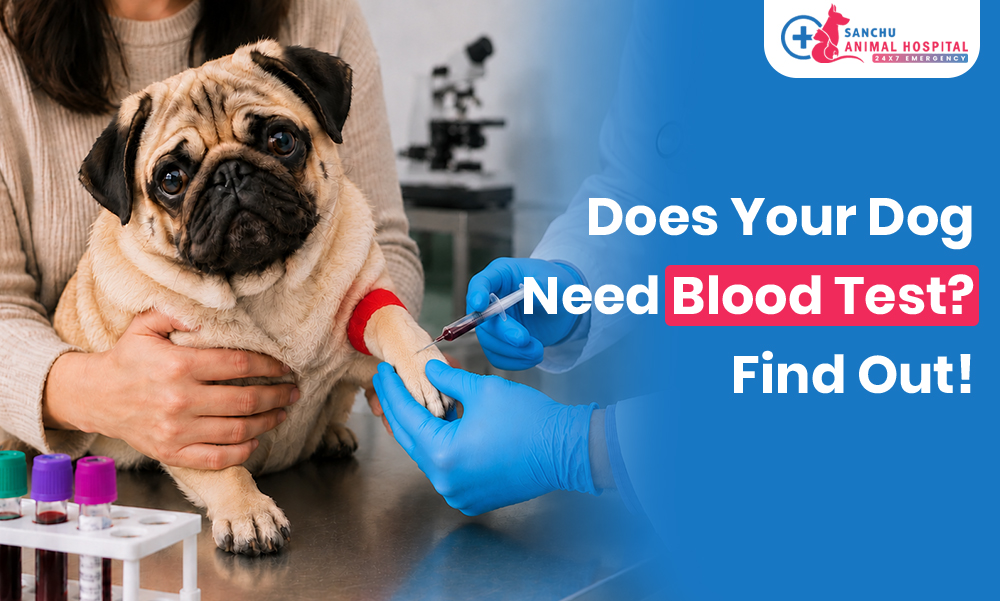
Does My Dog Actually Need a Blood Test in Valasaravakkam, chennai? When Diagnostics Save Lives
Almost every pet parent has had this exact moment in the vet's clinic:
"My dog seems fine. Does he really need a blood test?"
It's a fair question. If your dog is eating, playing, and wagging their tail like usual, paying for diagnostic tests can feel like overkill.
But here's the part most pet owners genuinely don't realise — dogs are remarkably good at hiding illness.
By the time you can actually see the symptoms, the underlying problem has often been progressing under the surface for weeks or even months. That's exactly why vets recommend blood work and other diagnostics even when your dog looks completely healthy on the outside.
In a lot of cases, these tests catch diseases early — which makes treatment simpler, more effective, and sometimes genuinely life-saving. For pet parents in Valasaravakkam, chennai searching specifically for blood test for dogs Chennai clinics offer, knowing what's actually being checked (and why) makes the decision a lot easier.
Why Diagnostics Matter in Pet Healthcare
Dogs can't tell us when something feels off — that's the core problem.
A pet might have an infection, an organ slowly malfunctioning, a hormonal imbalance, or even an early-stage heart condition long before the symptoms become visible to you at home.
Modern veterinary diagnostics make it possible to find these things early by giving us a real picture of what's actually happening inside your dog's body.
These tests help vets:
Detect disease before symptoms show up
Monitor ongoing medical conditions
Evaluate organ function
Identify infections and inflammation
Assess heart health
Guide treatment decisions properly
Track recovery after illness or surgery
Early diagnosis almost always means better outcomes — and far lower treatment costs in the long run.
When Does a Dog Need a Blood Test?
Vets typically recommend dog blood work in several specific situations.
1. During Annual Health Checkups
Even a perfectly healthy dog benefits from routine screening.
A yearly pet health screening can quietly catch:
Early kidney disease
Liver problems
Blood disorders
Hidden infections
Metabolic abnormalities
Senior dogs especially benefit from more frequent testing — age-related conditions become significantly more common, and catching them early genuinely changes the outcome. A regular dog health checkup with proper blood work is one of the most underrated parts of looking after an older pet.
2. Before Surgery
Pre-anesthetic blood work is honestly one of the most important safety checks before any surgical procedure.
It helps the vet assess:
Liver function
Kidney function
Whether the blood clots properly
Your dog's overall fitness for anaesthesia
Even young, healthy-looking pets sometimes have hidden abnormalities that only blood work reveals — and those are the cases where pre-op testing genuinely matters.
3. When Your Dog Isn't Acting Normally
A blood test may also be recommended if your dog is showing:
Loss of appetite
Vomiting
Diarrhoea
Lethargy
Weight loss
Excessive thirst
Frequent urination
These symptoms can be linked to a long list of possible causes — and blood work is usually what gives the vet the first real clue about what's actually going on.
Understanding CBC Test for Dogs
One of the most common tests your vet will order is a CBC test for dogs — short for Complete Blood Count.
It evaluates three main components.
Red Blood Cells
These carry oxygen around the body.
Abnormal results may point to:
Anaemia
Blood loss
Chronic disease
White Blood Cells
These are the body's defence system, fighting off infection.
Changes here may suggest:
Bacterial infection
Viral disease
Inflammation somewhere in the body
Immune system disorders
Platelets
Platelets are what help blood clot properly.
A low platelet count increases bleeding risk and can also indicate more serious underlying conditions.
What Is a Biochemistry Profile?
A biochemistry panel evaluates organ function and overall health — the kind of detail you can't see externally even if your dog looks fine.
It tells the vet about:
Kidney Health
These tests help detect:
Kidney disease
Dehydration
Urinary disorders
Liver Function
Abnormal values may indicate:
Liver inflammation
Toxic exposure
Chronic liver disease
Blood Sugar Levels
Important for diagnosing:
Diabetes
Metabolic disorders
Electrolyte Balance
These measurements help identify:
Dehydration
Digestive disorders
Hormonal imbalances
Together, a CBC and a biochemistry profile form the foundation of comprehensive dog diagnostics — the building blocks of pretty much every thorough vet workup.
Beyond Blood Tests: Other Diagnostics That Save Lives
Blood work is one piece of the picture — but only one.
Modern veterinary medicine usually combines laboratory results with imaging and cardiac testing to build a properly complete picture of your dog's health.
X-Rays
X-rays help vets evaluate:
Bone fractures
Arthritis
Lung disease
Foreign objects your dog might have swallowed
Certain tumours
They're often the first imaging tool reached for when something's wrong but the cause isn't obvious.
Ultrasound
Ultrasound gives detailed images of internal organs.
It helps assess:
Liver abnormalities
Kidney disease
Bladder issues
Pregnancy
Abdominal masses
Problems with the digestive tract
Unlike X-rays, ultrasound shows soft tissues in real detail, which makes it irreplaceable for certain investigations.
ECG (Electrocardiogram)
An ECG records your dog's heart rhythm.
It's commonly recommended for:
An irregular heartbeat
Fainting or collapse episodes
Ongoing cardiac monitoring
Senior pet assessments
Echocardiography (Heart Ultrasound)
An echocardiogram lets the vet examine the structure and function of your dog's heart in detail.
This more advanced test can pick up:
Heart valve disease
Cardiomyopathy
Congenital heart defects
An enlarged heart
Catching heart disease early genuinely changes outcomes — sometimes dramatically.
Signs Your Dog May Need Diagnostic Testing
For dog parents in Valasaravakkam, chennai, it's worth booking a proper veterinary evaluation if you notice:
Persistent vomiting
Chronic diarrhoea
Sudden weight loss
Lower energy than usual
Any difficulty breathing
Increased thirst
Changes in appetite
Unexplained behaviour changes
Frequent infections
These signs can seem minor at first but often point to underlying health concerns worth investigating with proper pet laboratory tests.
The Biggest Benefit: Early Detection
One of the biggest advantages of modern diagnostics is catching things before they become serious.
Many conditions, including:
Kidney disease
Liver disorders
Diabetes
Heart disease
Certain infections
are far easier to manage when diagnosed early. Once symptoms become severe, treatment usually becomes longer, more complex, and significantly more expensive.
Don't Wait for Symptoms
A common assumption among pet owners is that testing is only needed when a dog is visibly unwell.
In reality, preventive screening often catches health issues months before there's any noticeable change in your dog's behaviour or appetite. Routine diagnostics genuinely help dogs live longer, healthier lives — the same logic behind regular health checks for humans.
Final Thoughts
When your vet recommends a blood test or a diagnostic screening, it's almost never about running unnecessary tests. It's about gathering the information that actually protects your dog's health.
Whether it's a routine CBC test for dogs, advanced imaging, heart screening, or a full pet health screening, these tools help find problems early and guide the right treatment plan from the start.
For pet parents in Valasaravakkam, chennai, Sanchu Animal Hospital offers advanced diagnostic support — in-house laboratory testing, X-rays, ultrasonography, ECG, echocardiography, and continuous health monitoring. With experienced veterinarians and round-the-clock critical care backing it all up, it's the kind of setup that catches health concerns early and gives your dog the best possible chance at a long, healthy life.