




 ₹https://veterinary-hospital.sanchuanimalhospital.com/sanchu/animal-hospital-in-chennai/animal-hospital-in-valasaravakkam/sanchu-animal-hospital-24x7-valasaravakkam-chennai-in-valasaravakkam-chennai--35LalP/articles/is-your-dog-trying-to-tell-you-something-a-simple-guide-to-reading-canine-signals-in-valasaravakkam-chennai--aff4f176-08ae-4fb7-b41f-0bf167111e83
Sanchu Animal Hospital 24X7 | Valasaravakkam, Chennai, Valasaravakkam, chennai
Pet Boarding, Pet Store and Hospital in Valasaravakkam, Chennai, Tamil Nadu
No 17, Vaigai Street, Palaniappa Nagar, Valasaravakkam, chennai, tamil nadu - 600087
Request A Call Back
Sanchu Animal Hospital 24X7 | Valasaravakkam, Chennai Social Feeds in Valasaravakkam, chennai
Is Your Dog Trying to Tell You Something? A Simple Guide to Reading Canine Signals in Valasaravakkam, chennai
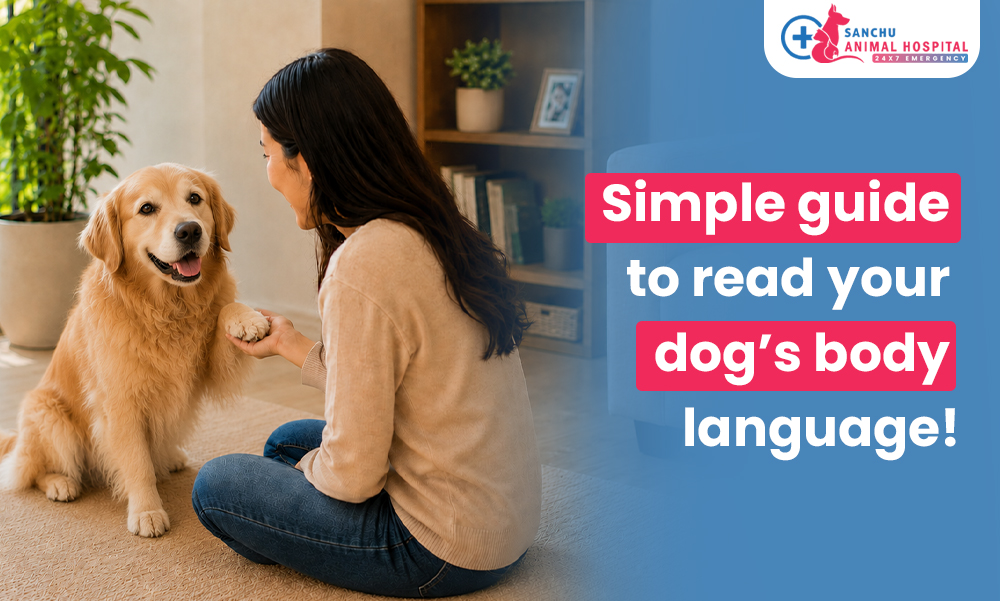
Dogs don't speak the way we do — but if you've spent any real time around one, you'll know they're communicating with you constantly. A wagging tail, a tilted head, a sudden yawn, an ear that flicks back at exactly the wrong moment: every little movement is your dog saying something. As a pet parent in Valasaravakkam, chennai, picking up on these signals isn't just charming — it helps you build a deeper bond and catch potential health or behavioural concerns before they turn into bigger problems.
If you've ever wondered why your dog suddenly hides under the bed, yawns over and over, or refuses to meet your eyes, this dog body language guide India pet parents can genuinely use will help you understand what they're actually telling you.
Why Understanding Dog Body Language Matters
Dogs rely mostly on their bodies to share what they're feeling, what they need, and how they're reacting to whatever's going on around them. Once you start spotting these signals, you can:
Build a stronger, calmer relationship with your dog
Notice stress or discomfort before it gets worse
Head off unwanted behavioural issues
Improve your pet's day-to-day wellbeing
Know when it's time to call your vet
These are the kind of dog behavior tips that turn a good pet parent into a great one. Canine communication is one of the most underrated parts of responsible pet parenting — and once you start reading it, you can't really un-see it.
Common Dog Body Language Signals and What They Mean
Tail Wagging: Not Always a Sign of Happiness
Plenty of pet parents assume a wagging tail equals a happy dog. Sometimes it does — and sometimes it really doesn't. The position and the speed of the wag both matter a lot.
Relaxed, broad wag. Usually means friendliness and excitement.
Fast, stiff wag. Often signals alertness or that your dog is overstimulated.
Low tail or tucked tail. Typically points to fear, anxiety, or a dog feeling submissive.
Always read the whole body, not just the tail. A wag in isolation can be misleading.
Ear Position: A Window into Your Dog's Emotions
A dog's ears do a remarkable amount of emotional work.
Relaxed ears. Comfortable and calm.
Forward-facing ears. Alert, curious, or focused on something specific.
Pinned-back ears. Fear, nervousness, or stress.
Ears shift quickly, so they're one of the most reliable real-time clues to how your dog is actually feeling.
Body Posture: What Their Stance Says
The way your dog holds their body tells you whether they feel safe, confident, or under threat.
Loose, relaxed posture. Comfortable and content.
Play bow (front legs down, rear up). A clear invitation to play.
Stiff body posture. Tension, discomfort, or building aggression.
Crouching or lowering the body. Fear, insecurity, or submission.
Spotting these early lets you step in before a situation has a chance to escalate.
Eye Contact and Facial Expressions
Dogs say a surprising amount with their eyes.
Soft eyes and a relaxed face. Calm and comfortable.
Direct, intense staring. Challenge, alertness, or genuine discomfort.
Whale eye (whites of the eyes showing). Anxiety, fear, or stress.
If your dog is avoiding your gaze, they're often not being rude — they're trying to defuse tension or show submission.
Licking and Yawning: More Than Just Habits
A lot of pet parents miss these — and they shouldn't.
Frequent lip licking. Often means nervousness, stress, or anticipation.
Excessive yawning. A calming signal dogs use when they feel anxious or unsettled.
When these happen outside normal contexts (a yawn before bed, sure; a yawn during a thunderstorm, less so), they're often a sign of emotional stress.
Hiding or Avoiding Interaction
For families in Valasaravakkam, chennai especially, where festivals, fireworks, and constant traffic can rattle even confident dogs, hiding behaviour is worth paying attention to. A dog that suddenly starts hiding or pulling away from family members may be dealing with:
Anxiety
Fear
Illness or pain
Stress from something in their environment
Sudden changes in behaviour shouldn't be ignored — especially when they appear out of nowhere.
Signs Your Dog May Be Stressed or Anxious
Stress and anxiety affect both behaviour and physical health, and dogs hide them better than people realise.
Watch for these dog stress signs:
Excessive panting when it's not hot
Trembling or shaking
General restlessness
Repetitive licking
Hiding or avoiding family members
Loss of appetite
Excessive barking
Destructive behaviour around the house
Catching these dog anxiety symptoms early can prevent bigger behavioural and medical issues down the line.
Understanding Aggression Warning Signals
Dogs almost never become aggressive out of nowhere. They warn you — sometimes loudly, sometimes very quietly.
Common warning signs include:
A stiff body posture
Growling
Showing teeth
Fixed, unbroken staring
Raised hackles
Snapping
If you see these signs, hold off on the punishment and call a professional. There's almost always an underlying cause, and finding it is the only thing that really resolves the behaviour.
When Behavioral Changes Need Veterinary Attention
Not every behaviour shift is purely emotional. Sometimes a medical issue is the real driver.
Book a vet visit if your dog is showing:
Sudden aggression with no obvious trigger
Persistent anxiety
Unusual lethargy
Loss of appetite
Excessive hiding
Changes in sleep patterns
Excessive licking or scratching
Ongoing behavioural changes that don't have an explanation
Pain, infections, hormonal shifts, and other health conditions can all show up first as a behaviour change.
How Sanchu Animal Hospital Can Help
At Sanchu Animal Hospital, treating your pet means more than treating the illness in front of us. Our vets help pet parents work out which behaviour changes hint at stress or anxiety, and which point to something medical underneath.
With advanced diagnostic facilities, outpatient consultations, emergency care, an in-house laboratory, and a team that genuinely cares about the animals walking through the door, we look after your pet's physical and emotional wellbeing across every stage of life.
Final Thoughts
Your dog is communicating with you constantly — through their tail, their ears, their posture, their eyes, and a hundred subtle behaviours you might be missing right now. Learning to read those signals helps you respond to what your dog actually needs, not what you think they need.
For pet parents, picking up on canine communication isn't really about training. It's about trust, attention, and giving your dog the kind of life where they feel understood. If you notice unusual behaviour or signs of stress that aren't settling, professional guidance from a trusted veterinary team like Sanchu Animal Hospital in Valasaravakkam, chennai can help keep your dog healthy, comfortable, and properly understood.