






 ₹https://veterinary-hospital.sanchuanimalhospital.com/sanchu/animal-hospital-in-chennai/animal-hospital-in-valasaravakkam/sanchu-animal-hospital-24x7-valasaravakkam-chennai-in-valasaravakkam-chennai--35LalP/articles/is-your-pet-drinking-enough-how-to-spot-dehydration-before-it-becomes-serious--351799f1-7108-442e-96e1-e836a23bd8bd
Sanchu Animal Hospital 24X7 | Valasaravakkam, Chennai, Valasaravakkam, chennai
Pet Boarding, Pet Store and Hospital in Valasaravakkam, Chennai, Tamil Nadu
No 17, Vaigai Street, Palaniappa Nagar, Valasaravakkam, chennai, tamil nadu - 600087
Request A Call Back
Sanchu Animal Hospital 24X7 | Valasaravakkam, Chennai Social Feeds in Valasaravakkam, chennai
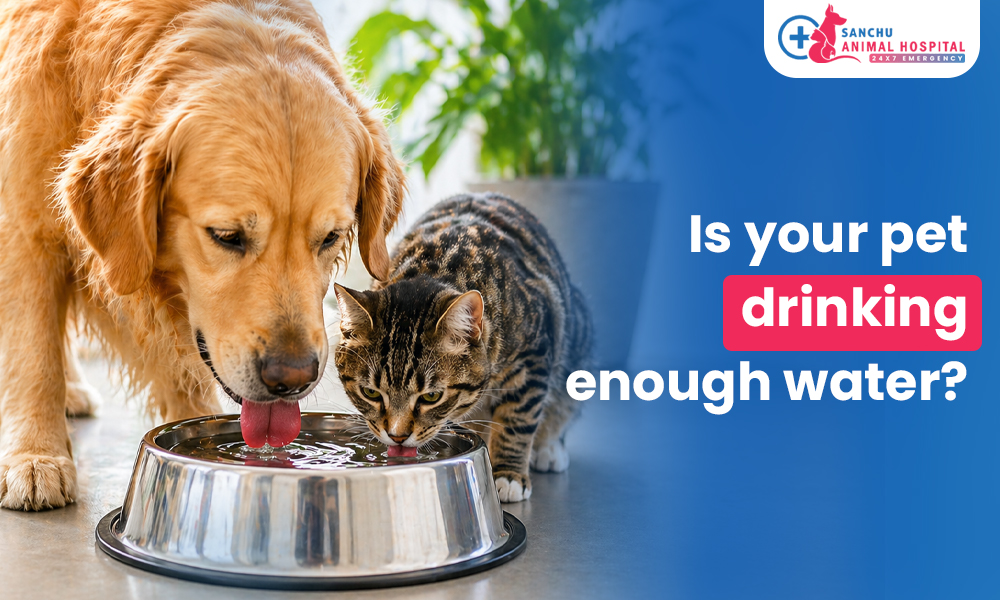
Is Your Pet Drinking Enough? How to Spot Dehydration Before It Becomes Serious
Worried your pet isn’t drinking enough water? Learn early signs of dehydration in dogs and cats, simple home checks, and tips to keep your pet hydrated in summer.
On a hot day, the first thing we reach for is water. But what about your pet?
In Valasaravakkam, chennai, where summer temperatures can rise quickly, hydration becomes even more important for your furry companion. Pets don’t always show their discomfort clearly, and what may look like tiredness or laziness could actually be a sign of dehydration.
The tricky part is, most pet parents don’t notice it until it becomes serious.
Why Dehydration Happens More in Summer
As temperatures rise, pets lose more fluids through panting and normal body functions.
Add to that:
Reduced water intake
Heat exposure
Increased activity
Illness or digestive issues
…and dehydration can set in faster than expected.
Puppies, kittens, and older pets are even more vulnerable because their bodies can’t adjust as quickly.
Early Signs of Dehydration in Pets
Dehydration doesn’t always look dramatic in the beginning. It often starts with small changes.
Watch for these signs:
Dry or sticky gums
Low energy or unusual tiredness
Reduced appetite
Sunken or dull-looking eyes
Less frequent urination
If ignored, it can lead to more serious health concerns.
Simple Ways to Check Hydration at Home
You don’t always need special tools to understand if your pet is well hydrated.
1. The Skin Test
Gently lift the skin at the back of your pet’s neck and release it.
If it quickly returns to normal → hydration is good
If it takes time to settle → your pet may be dehydrated
2. Check Their Gums
Healthy gums should feel moist and smooth.
Dry or sticky gums can be an early warning sign
3. Observe Their Behavior
Sometimes the easiest clue is how your pet is acting less playful, more tired, or just “not themselves.”
How to Keep Your Pet Hydrated
Hydration doesn’t just happen it needs a little effort, especially in summer.
Make water easily available
Place multiple bowls around the house
Keep water fresh and clean
Encourage frequent drinking
Change water regularly
Use clean bowls that don’t retain odor
Some pets prefer slightly cool water
Include moisture in their diet
Wet food or water-rich meals can help maintain hydration levels.
When Should You Be Concerned?
If your pet shows ongoing signs like:
Refusing water
Vomiting or diarrhea
Extreme lethargy
…it’s important not to wait.
Dehydration can affect organs quickly if left untreated. In such cases, timely care and proper evaluation become essential. Access to facilities with diagnostic support and monitoring like those available at Sanchu Animal Hospital can help identify the cause early and ensure your pet recovers safely.
Small Habits, Big Difference
Sometimes, it’s the simplest habits that protect your pet the most:
Refreshing water bowls regularly
Observing small behavioral changes
Adjusting routines during hot weather
These little steps can prevent bigger health issues down the line.
Final Thoughts
Your pet may not ask for water the way you doubt their body always gives signals.
Paying attention to those small signs, keeping them hydrated, and acting early when something feels off can make all the difference.
Because in the end, a well-hydrated pet is a healthy, active, and happy companion and that’s what every pet parent wants.