







 ₹https://veterinary-hospital.sanchuanimalhospital.com/sanchu/animal-hospital-in-chennai/animal-hospital-in-valasaravakkam/sanchu-animal-hospital-24x7-valasaravakkam-chennai-in-valasaravakkam-chennai--35LalP/articles/why-pets-lose-appetite-common-causes-and-when-to-worry--c8c08b61-2b85-4f28-9e07-ab8bcbd1c183
Sanchu Animal Hospital 24X7 | Valasaravakkam, Chennai, Valasaravakkam, chennai
Pet Boarding, Pet Store and Hospital in Valasaravakkam, Chennai, Tamil Nadu
No 17, Vaigai Street, Palaniappa Nagar, Valasaravakkam, chennai, tamil nadu - 600087
Request A Call Back
Sanchu Animal Hospital 24X7 | Valasaravakkam, Chennai Social Feeds in Valasaravakkam, chennai
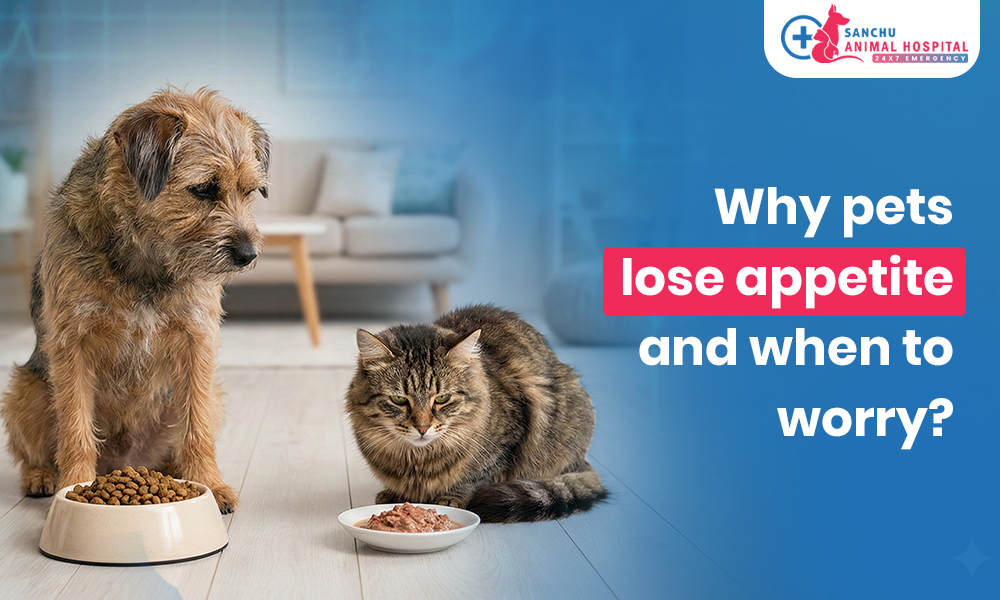
Why Pets Lose Appetite: Common Causes and When to Worry
It can be worrying to see your pet walk away from their food bowl. Whether it’s a missed meal or a sudden disinterest in treats they once loved, loss of appetite is often one of the first signs that something isn’t quite right. For pet parents in Valasaravakkam, chennai, understanding why pets stop eating and knowing when to seek help can prevent minor issues from turning into serious health concerns.
At Sanchu Animal Hospital, appetite changes are treated as important health indicators, evaluated carefully by experienced veterinarians using advanced diagnostic support.
Is It Normal for Pets to Skip Meals Occasionally?
Yes sometimes. Pets may eat less due to:
Mild stress or changes in routine
Weather changes
Temporary digestive upset
However, persistent loss of appetite is never normal, especially if it lasts more than 24 hours or is accompanied by other symptoms.
Common Reasons Why Pets Lose Their Appetite
1. Digestive Issues
Upset stomach, acidity, gas, or intestinal discomfort can make eating unpleasant. Pets may sniff food but refuse to eat or vomit after meals.
2. Dental Pain or Oral Problems
Broken teeth, gum infections, mouth ulcers, or tartar buildup can make chewing painful. Pets may:
Drop food while eating
Prefer soft food
Avoid eating altogether
Regular oral checks during vet visits help detect these issues early.
3. Infections and Fever
Bacterial, viral, or parasitic infections often suppress appetite. Conditions such as gastroenteritis or viral illnesses can make pets lethargic and uninterested in food.
4. Parasites
Internal parasites can cause nausea, abdominal discomfort, and nutrient malabsorption leading to reduced appetite and weight loss.
5. Stress, Anxiety, or Environmental Changes
Changes such as boarding, moving homes, new pets, loud noises, or altered routines can temporarily affect appetite especially in cats.
6. Underlying Medical Conditions
Loss of appetite may be an early sign of:
Kidney or liver disease
Pancreatic disorders
Hormonal imbalances
Heart conditions
This is why appetite loss should never be ignored.
7. Side Effects of Medications
Some medications may reduce appetite temporarily. If your pet stops eating after starting a new treatment, consult your veterinarian promptly.
Warning Signs That Require Immediate Veterinary Attention
Seek professional help if appetite loss is accompanied by:
Vomiting or diarrhoea
Weight loss
Lethargy or weakness
Fever
Difficulty swallowing
Pain or behavioural changes
These symptoms often indicate a deeper health issue.
What NOT to Do When Your Pet Stops Eating
Do not force-feed your pet
Avoid switching foods repeatedly without guidance
Do not delay veterinary consultation beyond 24 hours
Never give human medications or home remedies
Incorrect handling can worsen the condition.
How Sanchu Animal Hospital Evaluates Appetite Loss
At Sanchu Animal Hospital, appetite concerns are assessed through:
Detailed physical examinations
In-house laboratory tests
Advanced imaging (X-ray, ultrasound, ECG if needed)
Continuous monitoring for inpatients
This thorough approach ensures accurate diagnosis and timely treatment.
Treatment Depends on the Cause
Once the cause is identified, treatment may include:
Medications
Dietary adjustments
Parasite management
Supportive care and monitoring
Hospitalisation in severe cases
Every treatment plan is personalised based on your pet’s condition.
Why Early Action Matters
Loss of appetite is rarely “just a phase.” Early diagnosis:
Prevents complications
Reduces treatment costs
Improves recovery outcomes
Keeps your pet comfortable and safe
Prompt care always leads to better results.
Conclusion
If your pet isn’t eating like they usually do, trust your instincts. Appetite loss is often your pet’s way of signalling discomfort or illness. Acting early can protect them from unnecessary suffering.
For pet parents in Valasaravakkam, chennai, Sanchu Animal Hospital offers expert veterinary evaluation, advanced diagnostics, and compassionate care ensuring your pet gets the attention they need, right when it matters most.