





 ₹https://veterinary-hospital.sanchuanimalhospital.com/sanchu/animal-hospital-in-chennai/animal-hospital-in-valasaravakkam/sanchu-animal-hospital-24x7-valasaravakkam-chennai-in-valasaravakkam-chennai--35LalP/articles/your-pet-just-had-surgery-in-valasaravakkam-chennai-%E2%80%94-a-week-by-week-recovery-guide-from-sanchus-vets--6a422a4a-1a35-45c4-a888-892cfd635127
Sanchu Animal Hospital 24X7 | Valasaravakkam, Chennai, Valasaravakkam, chennai
Pet Boarding, Pet Store and Hospital in Valasaravakkam, Chennai, Tamil Nadu
No 17, Vaigai Street, Palaniappa Nagar, Valasaravakkam, chennai, tamil nadu - 600087
Request A Call Back
Sanchu Animal Hospital 24X7 | Valasaravakkam, Chennai Social Feeds in Valasaravakkam, chennai
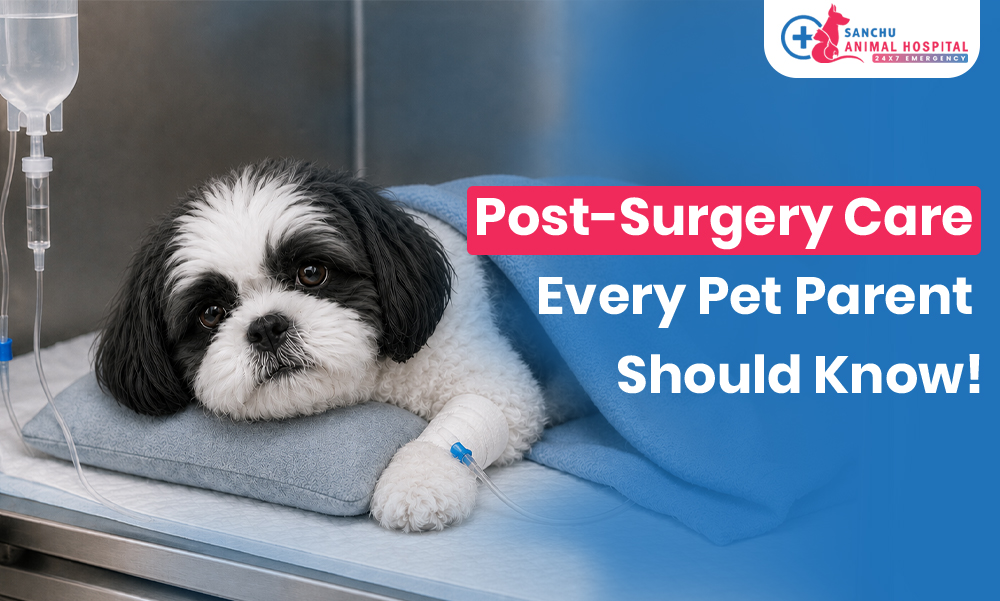
Your Pet Just Had Surgery in Valasaravakkam, chennai — A Week-by-Week Recovery Guide from Sanchu's Vets
Watching your pet go through surgery is genuinely hard. Whether it's something routine like a neuter, a dental procedure for your cat, or something more complex, the days and weeks that follow matter just as much as the operation itself. Recovery is where the real healing happens — and where home care actually shapes the outcome.
At Sanchu Animal Hospital, our experienced veterinarians, dedicated inpatient facilities, full diagnostic services, and 24/7 emergency support help pets get comprehensive care before, during, and after surgery.
This week-by-week guide walks you through what to expect from your pet's recovery — and how to give them the best possible support along the way. For pet parents in Valasaravakkam, chennai, solid post surgery care pet Chennai parents can rely on doesn't end when you leave the clinic; it starts there.
Why Post-Operative Care Matters
Surgery is only the first part of the story. Proper post operative pet care at home does the actual work of:
Preventing infections
Reducing pain and discomfort
Promoting faster healing
Avoiding complications
Improving the overall surgical outcome
Getting your pet safely back to their normal life
Every pet recovers differently — age, underlying health, the type of surgery, even temperament all factor in. Following your vet's specific instructions matters more than any general guide.
Day 1–3: The Critical Recovery Period
The first few days after surgery are honestly the most important.
What You May Notice
Your pet might experience:
Sleepiness or grogginess from the anaesthesia
Reduced appetite
Mild swelling around the surgical site
Lower activity levels
Temporary confusion or disorientation
All of this is expected and should improve gradually over the first 48–72 hours.
Home Care Tips
Provide a Quiet Recovery Space
Set up somewhere calm and comfortable — away from noise, stairs, active children, and other curious pets in the house. The goal is genuine rest.
Administer Medications as Prescribed
Your vet may prescribe:
Pain medications
Antibiotics
Anti-inflammatories
Don't skip doses, and don't stop the medication early because your pet "looks fine" — that's exactly when an infection or pain flare-up can sneak in.
Monitor Food and Water Intake
Start with small amounts of water, then gradually move back to regular feeding as your vet has advised. Don't rush a hungry-looking pet back to full meals if instructions say go slow.
Prevent Licking or Chewing
Use an Elizabethan collar (E-collar) or a recovery suit if your vet has recommended one. Excessive licking is one of the most common ways a clean incision turns into an infected one or reopens completely. This is the foundation of basic pet wound care — protect the wound from the patient themselves.
Week 1: Protecting the Surgical Site
By the end of week one, a lot of pets start feeling like themselves again — and want to act like it. That's actually one of the trickier parts of recovery.
Continue Activity Restrictions
Even when your pet looks energetic:
No running
No jumping on furniture
Limit stair climbing
Keep dogs on short leash walks only
A pet that feels good is a pet that wants to leap onto the sofa. Overactivity strains healing tissue and can undo days of progress.
Inspect the Wound Daily
A healthy, well-healing incision usually looks:
Clean
Dry
Slightly pink around the edges
Contact Your Veterinarian If You Notice:
Redness that's getting worse rather than fading
Worsening swelling
Bleeding
Discharge or pus
A bad smell from the wound
Open stitches
Early intervention prevents a small problem from turning into a serious one.
Week 2: Follow-Up Examination
Most surgical patients come back for a follow-up appointment during week two — and this is when you'll see whether recovery is genuinely on track.
Your Veterinarian May:
Check overall healing progress
Remove sutures if needed
Assess how the pain management is going
Review the medication schedule
Recommend gradual activity adjustments
The advanced diagnostics at Sanchu Animal Hospital help our vets monitor recovery in detail and catch potential complications well before they become serious.
Appetite and Energy Levels
By week two, most pets are showing real signs of improvement:
Better appetite
More energy
Renewed interest in play
Better overall comfort
Hold the line on activity restrictions until your vet specifically clears more movement — even if your pet is begging for more.
Week 3: Gradual Return to Normal Activities
If healing is going well, week three is when pets start transitioning back toward their usual routine.
Controlled Exercise
For dogs, this might mean:
Slightly longer leash walks
Light activity, always supervised
Cats should still avoid excessive jumping or rough play until your vet gives the all-clear. This is also where dog surgery recovery and cat surgery aftercare start to diverge — cats tend to bounce back fast on the outside while internal healing still needs time, which makes them surprisingly easy to under-restrict.
Nutrition for Recovery
Healing actually demands more nutritional support than most pet parents realise.
Make sure your pet is getting:
A balanced, high-quality diet
Plenty of clean water
Any vet-recommended supplements
Our in-house pet pharmacy and pet supermarket make it easy to pick up recommended nutrition and recovery essentials in one visit.
Week 4 and Beyond: Full Recovery Phase
By around four weeks, most routine surgeries are largely healed — though more complex procedures can need longer recovery times.
Signs of Successful Recovery
You should be seeing:
Normal eating habits
Healthy, balanced energy levels
Comfortable movement
A fully healed incision site
Normal toilet habits
Your vet will let you know when it's safe for your pet to fully return to:
Running
Jumping
Active play
Grooming sessions
Outdoor adventures
For pet parents in Valasaravakkam, chennai, sticking to the timeline your vet has set genuinely matters — rushing the return to normal is one of the most common reasons a recovery gets derailed late.
Red-Flag Symptoms You Should Never Ignore
Seek emergency veterinary attention immediately if your pet shows:
Difficulty breathing
Persistent vomiting
A refusal to eat for more than 24 hours
Severe lethargy
Pale gums
Excessive bleeding
Fever
Sudden swelling
An open surgical wound
Seizures or collapse
Sanchu Animal Hospital's Emergency Critical Care Unit runs 24/7 — so if any of these happen at 2 a.m., there's a vet ready to help.
How Sanchu Animal Hospital Supports Surgical Recovery
Our post-surgical care covers everything you need under one roof.
Advanced Diagnostics
We offer:
X-rays
Ultrasound
ECG
Echocardiography
Full laboratory testing
These let our team monitor healing properly and catch complications early — before they show up as visible symptoms.
Inpatient Care Facilities
The hospital provides:
Well-sanitised recovery environments
Dedicated inpatient monitoring
Comfortable accommodation
Continuous veterinary supervision
Experienced Veterinary Team
Our vets and para-veterinary staff focus on personalised treatment plans that fit each pet's specific recovery — not generic protocols.
Pharmacy Support
Prescribed medications are available through our in-house pharmacy, so you're not running between clinics and chemists trying to fill prescriptions during a stressful time.
Tips for Pet Parents During Recovery
Stick to medication schedules — strictly
Prevent excessive activity, even when your pet seems fine
Don't miss the follow-up appointments
Keep the incision area clean and dry
Watch appetite, hydration, and behaviour day to day
Call your vet the moment something feels off
Your observations at home are honestly one of the most valuable parts of the recovery process. You're with your pet 24 hours a day — your vet sees them for 20 minutes. Speak up when something seems off.
Final Thoughts
Recovery is hard on both pets and pet parents. There's worry, there's restriction, there's that strange feeling of watching your pet not be themselves. But with the right veterinary guidance, attentive home care, and timely follow-up visits, the vast majority of pets come through it well and return to their full, happy lives.
For pet parents in Valasaravakkam, chennai, Sanchu Animal Hospital is here for every stage of your pet's healthcare — diagnosis, surgery, and full recovery. Our facilities, experienced vets, diagnostics, boarding support, pharmacy, and emergency care are all set up to make sure your pet gets the proper treatment when it matters most.
If your pet has surgery coming up — or you're already navigating a recovery and need support — our team is just a call away.